
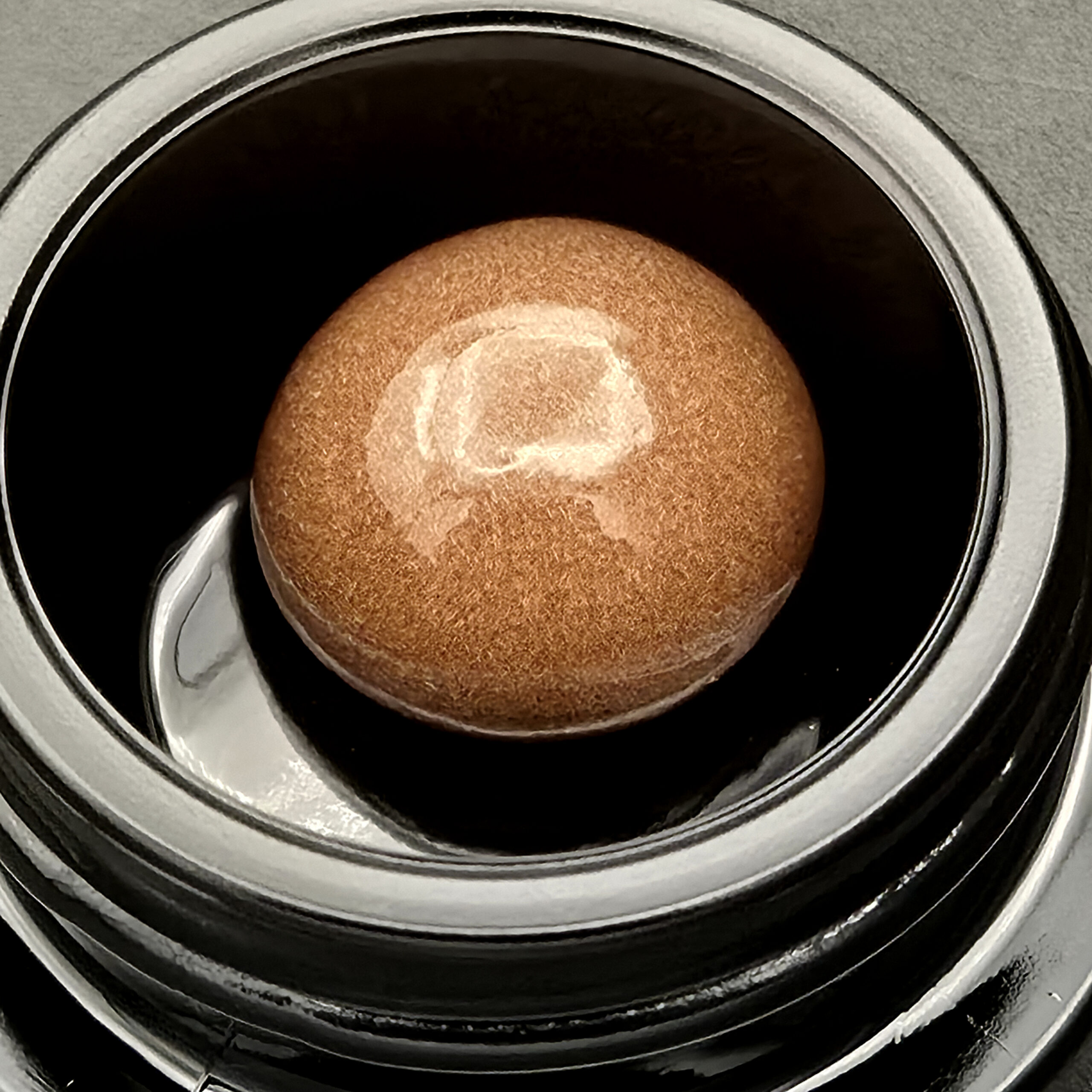
Hashish
The art, science, and culture of resin.“Hashish” conjures many notions. For me, it is the feeling of thick, heavy smoke barreling down my throat before lazily wafting back through my lips. It is the evidence of a plant well tended, harvested, and processed. I was introduced to Hashish by Frenchy Cannoli back in September 2014. Very quickly it became my favorite cannabis product.
I love the aroma released when hashish warms between my fingers, the pliable texture of well-pressed resin as I massage it into a temple ball, and the sight of clean hashish swelling and bubbling when heated. Hashish engages all of my senses, but it also engages my curiosity.
Frequently Asked Questions
What Is Hashish?
At its simplest, hash is the collection of trichomes off of the cannabis plant. If you have looked closely at cannabis flower, you've probably noticed the tiny, sparkling structures that cover it. Those are the trichomes. The heads of certain trichomes contain many of the compounds responsible for cannabis' effects, aromas, and flavors, including cannabinoids like THC and CBD, aromatic compounds called terpenes, and many other substances produced by the plant.
The entire trichome head, including its protective outer layer, called the cuticle, is part of the resin we collect.
Everyone is looking for high-quality hash resin. There are thousands of videos and tutorials online attempting to teach the finer points of ice water hashmaking. The basic process is pretty simple:
Start with good material
Put material in the machine
Fill with ice and water
Agitate
Allow water to drain
Clean resin in the bags
Remove resin from the bags
Dry resin
When it is then pressed only to the point of melting the cuticle, it becomes *Hashish*.
Solvent-Based, Solvent-Free, and Solventless: What's the Difference?
Solvent-based describes a process that uses a chemical solvent to dissolve and extract compounds from cannabis.
Solvent-free describes a finished product with no detectable residual extraction solvents. It doesn't necessarily mean solvents weren't used during production.
Solventless means no chemical solvent is used to dissolve, collect, or extract the resin. Instead, physical processes such as friction, agitation, pressure, and heat are used. The focus here is on solventless methods and the traditions of hashmaking.
Four Ways of Working With Cannabis Resin
1. Charas: The Original Live Concentrate
Charas is collected directly from living cannabis plants. Resin gathers on the hands as living flowers are gently rubbed, then it is carefully gathered and worked into charas. This practice has deep historical and cultural roots, particularly in regions of South Asia.
2. Dry Sift: Traditional Hashmaking
Dry sift separates resin heads from dried cannabis material using screens. Gentle agitation lets resin heads pass through the screen so they can be collected, worked, heated, and pressed into traditional hashish. It is one of the oldest and most widespread approaches to hashmaking.
3. Bubble Hash: Ice, Water, and Filtration
Bubble hash uses water, often with ice, to help separate resin heads from plant material. Agitation releases the heads, while mesh filtration bags allow hashmakers to collect and separate the resin. Although water is involved, this is considered solventless because the resin is mechanically separated rather than chemically dissolved. Like dry sift, the collected resin can be further worked into hashish.
4. Rosin: Heat and Pressure
Rosin is made by pressing material under heat and pressure to extract resinous compounds. Flower rosin is pressed directly from cannabis flower, with no separate resin-collection step beforehand. Hash rosin is made by pressing previously collected resin, usually dry sift or bubble hash. That makes hash rosin a secondary process: resin is collected first, then its contents are extracted through heat and pressure. Rosin is part of the solventless family, but it isn't the same product as traditional hashish.
What makes the difference between creating 3, 4, 5, or 6 star resin?
Countless subtleties and nuances surround the creation of the most phenomenal melt. The steps may be straightforward, but the results depend on understanding the material and recognizing what happens at every stage.
I learned through direct, hands-on experience with Frenchy Cannoli. Theoretical knowledge cannot compare to practical application.
Interested in hands-on training or help refining your process? Explore my hashmaking consulting services.
Hashish Articles

May 31, 2019
Where is the sweet spot for full melt?
Holding fast to preconceived notions will result in missing some gems. We hashmakers all "know" where to find the sweet spot where trichomes have the best representation of the plant at that moment both in flavor, melt. Certainly the spot is found in the 73 micron or 90 micron bags. Often 120 has gold too. The 45…Read more
Apr 10, 2019
Why Did This Bubblehash Nucleate?
This is nucleated bubblehash. How did it get this way? Taking into consideration that resin has MUCH variety, these are the reasons you generally see for initially very shiny pressed hash that later becomes matte. 1. There is a little (or a lot of) moisture in the ball. Freeze drying in no way guarantees that your…Read more
Feb 4, 2019